
NEW DELHI ,29 April 2026 : A slice of watermelon feels like the safest thing you can eat in peak summer. But a recent tragedy in Mumbai has shaken that assumption. After a family reportedly fell critically ill and died following suspected food poisoning, attention has turned to watermelon. So, how can a fruit get contaminated and turn dangerous?
Watermelon isn’t unsafe by default. But under certain conditions, it can become a carrier of harmful bacteria or chemicals. According to nutritionist Rupali Datta, watermelon’s composition is part of the problem. Its high water and natural sugar content create an environment that allows bacteria to grow rapidly in the event of contamination. Once cut open, it becomes even more vulnerable. If the knife, hands, or surface used are unclean, bacteria can transfer directly into the fruit.
Dietitian and diabetes educator Dr Archana Batra reveals, “During transportation, storage, or display, watermelons may come into contact with contaminated surfaces, dirty crates, or unclean hands.” She explains that the danger occurs when the fruit is tainted with dangerous bacteria like Salmonella, Listeria, or pathogenic strains of E. coli. These infections can lead to severe dehydration, systemic infection (sepsis), or complications affecting vital organs. In extreme cases, especially without timely treatment, this can turn fatal.
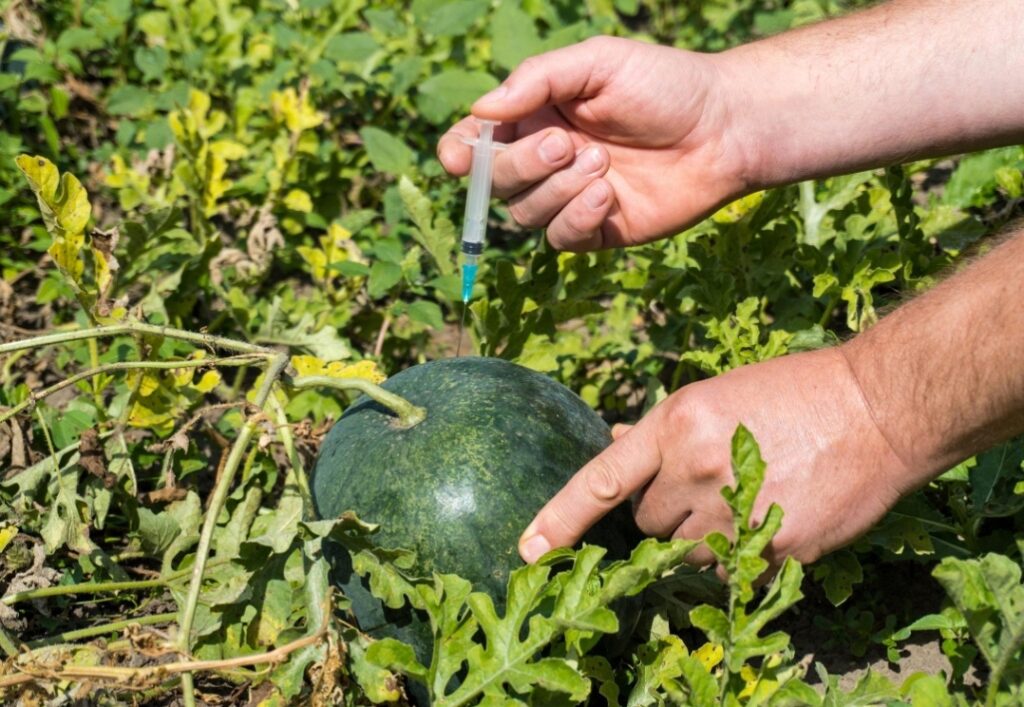
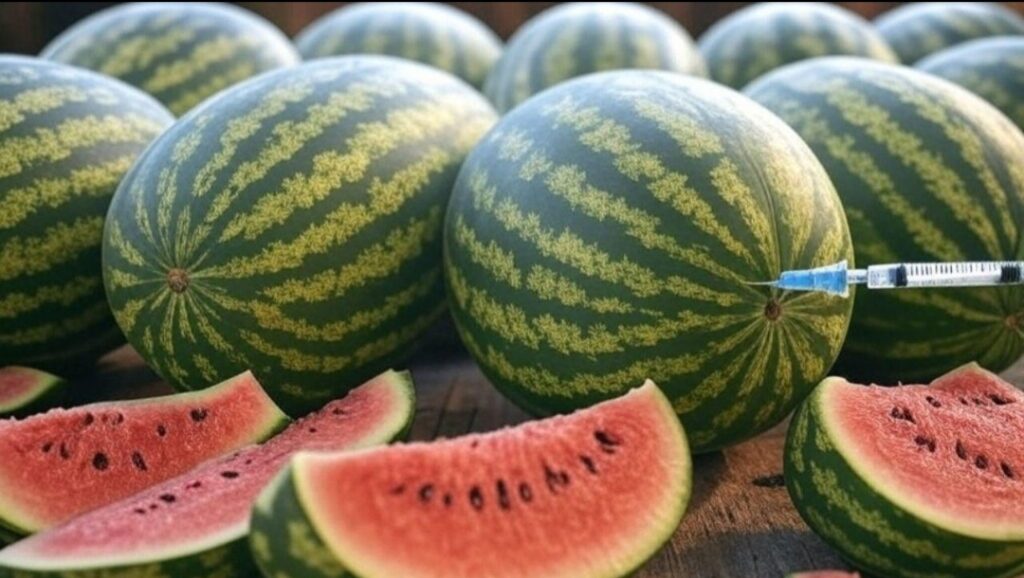
Every summer, viral videos show watermelons allegedly being injected with sugar water or glucose to enhance sweetness and colour. Rupali Datta warns that this can be dangerous as it can further increase bacterial growth.
Leaving cut watermelon at room temperature for hours is also a common mistake. Warm conditions, moisture, and sugar are a perfect breeding ground for microbes. Watermelons can also pick up contamination during farming. According to the Cleveland Clinic, exposure to certain chemicals like organophosphates (used in agriculture) can affect the nervous system and may lead to severe symptoms if ingested in high amounts.
A study published on ResearchGate found alarming contamination levels in sliced watermelon sold by street vendors. It detected bacteria like E. coli, Salmonella, and Shigella. This highlights how handling and hygiene can also have a significant impact on what we consume.
symbolic picture credit social media

We are a multimedia news network. Website : www.7xnews.com Based in New Delhi (India)
Youtube : umakantlakheraspeaks@gmail.com

