

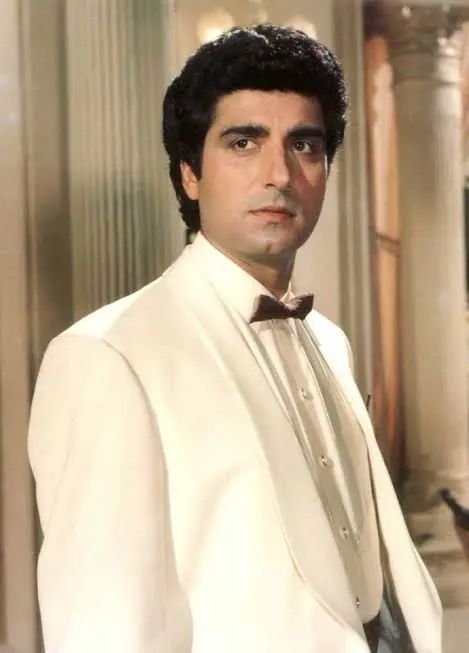
As Raj Babbar turns 74 today, one is reminded of a rare artist who has seamlessly bridged the worlds of intense dramatic performance and committed public service.
From the disciplined stages of India’s premier acting school to the corridors of Parliament, Babbar has embodied a life defined by conviction, range, and resilience.
A Grounded Beginning
Born on June 23, 1952, in Tundla, Uttar Pradesh, to Kushal Kumar Babbar and Shobha Babbar, Raj Babbar’s early years were rooted in the heartland. He completed his initial schooling at Faiz-E-Aam Inter College in Agra, later graduating from Agra College. His formal training in acting came at the National School of Drama (NSD) in New Delhi, where he belonged to the class of 1975. Immersed in the Method school of acting and street theatre, Babbar honed a craft that would later distinguish him for its emotional depth and realism.
From Mumbai’s Arc Lights to Critical Acclaim
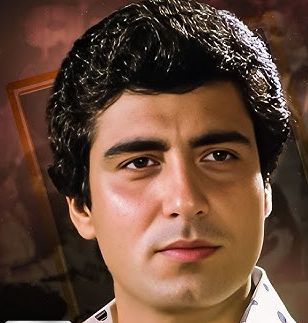
After NSD, Babbar moved to Mumbai and made his mark alongside leading talents of the era. He earned early notice for his chilling portrayal of a rapist in Insaaf Ka Taraazu (1980), opposite Zeenat Aman—a performance that sparked both controversy and conversation about bold cinematic choices. His association with the B.R. Chopra banner proved particularly fruitful, yielding memorable roles in Nikaah (with Deepak Parashar and Salma Agha) and Aaj Ki Aawaz (with Smita Patil).
Babbar’s work in Punjabi cinema added another luminous chapter. He delivered standout performances in critically acclaimed art-house films such as Chann Pardesi (1980), Long Da Lishkara (1986), and Marhi Da Deeva (1989), bringing serious, realistic storytelling to a language cinema that had long yearned for such innovation. Alongside these, he featured in popular commercial successes including Aasra Pyar Da, Mahaul Theek Hai, Shaheed Uddham Singh, and Tera Mera Ki Rishta.
Equally compelling was his gallery of antagonist roles in Hindi films like Dalaal, Yaraana, Barsaat, Ziddi, and Daag: The Fire. Whether as a formidable villain or a layered character, Babbar brought gravitas and nuance that elevated even routine scripts.
A Parallel Life in Politics
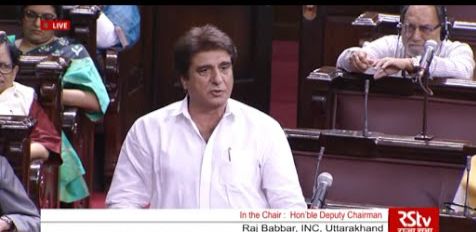
Beyond the screen, Raj Babbar carved a significant political identity within the Indian National Congress. A three-time member of the Lok Sabha and twice elected to the Rajya Sabha, he also served as President of the Uttar Pradesh Congress Committee. His political journey reflected the same sense of duty and engagement that marked his acting career, allowing him to represent public aspirations at the highest levels of governance.
Presence on the Small Screen
Babbar’s talent extended effortlessly to television. He appeared as King Bharat in the introductory episodes of the iconic Mahabharat series and as Akbar in Bahadur Shah Zafar. He also produced and acted in the historical drama Maharaja Ranjit Singh (2010). In 2014-15, he featured in the Life OK series Pukaar – Call For The Hero, directed by Vipul Amrutlal Shah.
Honours and a Lasting Legacy
Over the decades, Babbar received multiple Filmfare nominations, including Best Actor for Insaaf Ka Taraazu (1981) and Aaj Ki Aawaz (1985), Best Supporting Actor for Agar Tum Na Hote (1984), and Best Villain for Dalaal (1994) and Yaraana (1996). These recognitions, though not always culminating in wins, underscored the industry’s respect for his consistent and courageous body of work.
As Raj Babbar celebrates another birthday, his career stands as a testament to the power of versatility—moving with ease between stage, screen, regional cinema, and national politics. In an industry often marked by fleeting fame, he has remained a figure of substance, depth, and quiet dignity.
Here’s wishing the veteran actor and leader many more years of health, creativity, and meaningful contribution.

~Hasnain Naqvi is a former member of the history faculty at St. Xavier’s College, Mumbai….
The opinions expressed here are solely those of the author.