

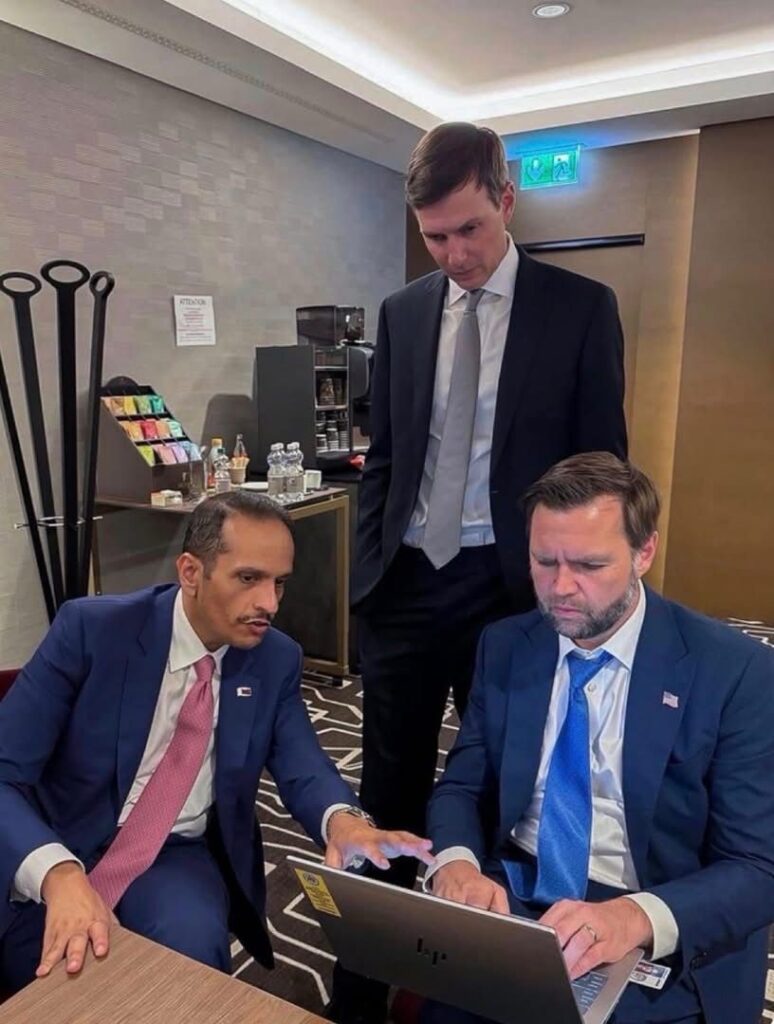
The conclusion of the first high-level session between US and Iranian representatives in Switzerland represents a tentative yet symbolically important step toward stabilizing a region long plagued by conflict. Mediated by Qatar and Pakistan under the Islamabad Memorandum of Understanding (MoU), the talks held in Bürgenstock near Lake Lucerne yielded concrete agreements. These include a 60-day roadmap toward a final deal, strengthened technical working groups addressing nuclear issues and sanctions, a dedicated communication hotline to ensure safe passage through the Strait of Hormuz, and the establishment of a de-confliction mechanism centered on Lebanon.
Mediators characterized the atmosphere as positive and constructive. This progress builds directly upon the earlier MoU, which sought to halt hostilities that had intensified dramatically in early 2026. However, as is typical with Middle Eastern diplomatic initiatives, the ultimate success will be determined not by joint statements but by rigorous implementation amid longstanding rivalries. Particular challenges arise from Israel’s position regarding Lebanon and the wider regional implications.
Incremental
Gains Amid Deep Distrust
Key achievements include the formation of a High-Level Committee tasked with providing political oversight. Chief negotiators will report regularly to this body and lead specialized working groups focused on nuclear matters, sanctions relief, and monitoring and dispute resolution. These structures embody a measured optimism. The new communication line aims to avert maritime incidents in the Strait of Hormuz, a vital artery for global energy supplies. Meanwhile, the de-confliction cell acknowledges Lebanon’s persistent volatility as a potential flashpoint.
Iranian state media outlets such as Tasnim highlighted the continuation of technical talks and adherence to ceasefires. This reflects Tehran’s emphasis on securing sanctions relief and related measures as essential steps before advancing on nuclear files.
On the US side, officials including those close to Vice President JD Vance noted possibilities for broader regional shifts, while maintaining a tone of caution in public remarks.
These results remain consistent with the MoU’s foundational elements: ending military operations, facilitating the reopening of shipping routes, and launching sustained dialogue. The framework was crafted with substantial contributions from Pakistani and Qatari mediators in the wake of prior intense confrontations.
The Lebanon Shadow and Israeli Resistance
Any assessment of these developments must account for the Lebanese context. The MoU and follow-on agreements call explicitly for the termination of military operations in Lebanon. Nevertheless, Israeli officials have consistently expressed reservations about complete withdrawal from southern Lebanon or designated security zones. Figures such as Defence Minister Israel Katz and senior IDF commanders have underscored the need to retain operational flexibility against ongoing threats, despite current fragile ceasefires.
Recent flare-ups, involving Israeli strikes and responses from Hezbollah, have previously impeded diplomatic progress and continue to pressure the overall framework. Iran has linked deeper participation to verifiable de-escalation in Lebanon, perceiving Israeli actions as contrary to the MoU’s intent. This dynamic illustrates a core implementation challenge: while the bilateral US-Iran track shows movement, proxy dynamics and Israeli security priorities introduce complicating factors that mediators will need to navigate carefully.
Reporting by international outlets including Al Jazeera and Reuters illustrates how such tensions could undermine recent gains. Oil markets remain sensitive to any indications of renewed disruptions in the Gulf region.
Pathways Forward: Realism Over Rhetoric
The 60-day roadmap presents a limited but critical timeframe for achieving technical advances in sanctions implementation, monitoring protocols, and nuclear confidence-building measures. Prospects for success depend on multiple elements: continued active involvement by Qatari and Pakistani mediators, US willingness to offer pragmatic sanctions adjustments, Iranian commitment to curbing proxy engagements, and—most importantly—Israeli acceptance or non-interference concerning Lebanon.
Skeptics contend that the process grants excessive concessions to Iran without sufficiently constraining its regional network. Proponents view it as a practical form of de-escalation capable of preventing larger-scale conflict. Both Washington and Tehran possess compelling motivations: the United States aims to recalibrate its Middle East posture without prolonged commitments, while Iran confronts significant economic strains and internal pressures.
The joint statement’s appeal to “brotherly and friendly countries” for support suggests potential for wider engagement across Arab and Muslim states, capitalizing on widespread war fatigue. At the same time, historical precedents urge restraint. Earlier US-Iran diplomatic efforts have often collapsed due to disputes over verification, internal political obstacles in both nations, and actions by spoilers.
A Test of Diplomatic Maturity
Ultimately, the Lake Lucerne results constitute neither a landmark victory nor a foreordained collapse. Rather, they represent a pragmatic, incremental advance within a complex and high-stakes negotiation process. Long-term viability will require converting committee sessions and roadmaps into observable, verifiable measures on the ground—especially in Lebanon—while all participants avoid exploiting short-term tactical opportunities.
Qatar and Pakistan merit recognition for their steadfast mediation efforts in a turbulent environment. For the United States and Iran, the decision point is clear: commit meaningfully to the MoU’s emerging structure or allow it to weaken under renewed strains. In a Middle East exhausted by protracted conflict, even modest diplomatic progress warrants cautious endorsement, but only if it yields concrete security benefits for all involved parties beyond mere media attention.
The weeks ahead will determine whether this Swiss engagement signals an authentic shift toward reduced tensions or simply a temporary respite. Success will hinge on translating expressed commitments into durable actions capable of withstanding the region’s inherent pressures.

~Hasnain Naqvi is a former member of the history faculty at St. Xavier’s College, Mumbai….
The opinions expressed here are solely those of the author.