
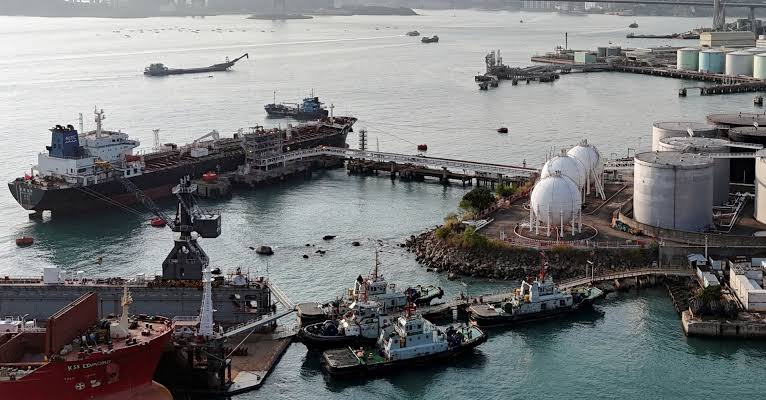
NEW DELHI: The United States has thrown a surprise lifeline to Iran’s oil industry.
In a major policy shift, Washington has issued a 60-day waiver allowing the production, sale, delivery and import of Iranian crude oil and petroleum products until August 21. The move is part of ongoing negotiations with Tehran aimed at securing a broader peace agreement and restarting international nuclear inspections.
For India, one of the world’s largest crude oil importers, the development could have significant implications.
It may not immediately translate into tankers carrying Iranian crude to Indian ports. But it opens up a possibility that New Delhi has not enjoyed for years: access to another major source of oil at a time when global energy markets remain vulnerable to geopolitical shocks.
The US Treasury has issued a temporary general licence allowing transactions involving Iranian crude oil, petroleum products and petrochemicals. The waiver also covers associated services such as shipping, insurance and banking. It will remain valid until August 21.
The decision comes after Iran agreed to allow inspections by the International Atomic Energy Agency (IAEA) and participate in broader diplomatic talks. The waiver is being viewed as a confidence-building measure rather than a permanent lifting of sanctions.
Oil markets reacted immediately. Crude prices fell as traders anticipated additional supplies entering the market.
Why Does This Matter To India?
India imports nearly 85 per cent of the crude oil it consumes, making it highly sensitive to global oil prices.
Every rise in crude prices affects India’s import bill, inflation trajectory, fiscal calculations and eventually fuel prices paid by consumers.
The country’s oil sourcing pattern has changed dramatically over the past four years.
After the Russia-Ukraine war, India emerged as one of the biggest buyers of discounted Russian crude. Russia now accounts for roughly one-third to 40 per cent of India’s crude imports, making it India’s largest supplier.
At the same time, India continues to rely heavily on producers in the Gulf region, including Saudi Arabia, Iraq and the UAE, for a large share of its energy needs. OPEC countries accounted for around half of India’s crude imports in 2025. That concentration creates risks whenever tensions flare up in the Middle East.
Iran’s return could give India another important source of supply.
Before US sanctions were reimposed in 2018, Iran was among India’s top oil suppliers.
Indian refiners valued Iranian crude because of its competitive pricing, favourable credit terms and lower freight costs compared with some other suppliers. India was one of the biggest buyers of Iranian oil before sanctions forced refiners to halt purchases.
The sanctions effectively shut the door on Iranian imports for years. Now, even a temporary opening could revive discussions between Indian refiners and Iranian suppliers.
Can India Start Buying Iranian Crude Again?
Not immediately.
The current waiver lasts only 60 days and is tied to ongoing diplomatic negotiations. Refiners typically prefer long-term clarity before committing to large purchases.
However, the move signals that Iranian barrels could gradually return to global markets if negotiations progress. That alone could benefit India.
More oil in the market generally means lower prices and stronger bargaining power for buyers. Even if India does not significantly increase direct purchases from Iran, additional global supply could help moderate crude prices and reduce import costs.
Another reason India is paying close attention is the Strait of Hormuz. A significant portion of India’s oil imports passes through this narrow waterway connecting the Persian Gulf to global markets.
Recent tensions in the region had raised fears of supply disruptions and sharp spikes in oil prices. The US-Iran understanding includes commitments related to maritime security and the free movement of shipping through the Strait of Hormuz.
Any reduction in risks around the Strait would be positive for India, which depends heavily on energy supplies moving through the route.
India’s crude import bill runs into well over $100 billion annually and fluctuates significantly with global oil prices. Even a modest decline in benchmark crude prices can save billions of dollars for the country over a year.
That is why Indian policymakers closely track developments in major oil-producing regions. If Iranian supplies return in larger volumes and geopolitical tensions ease, oil prices could remain under pressure. That would support India’s efforts to contain inflation, reduce import costs and improve external balances.

We are a multimedia news network. Website : www.7xnews.com Based in New Delhi (India)
Youtube : umakantlakheraspeaks@gmail.com