

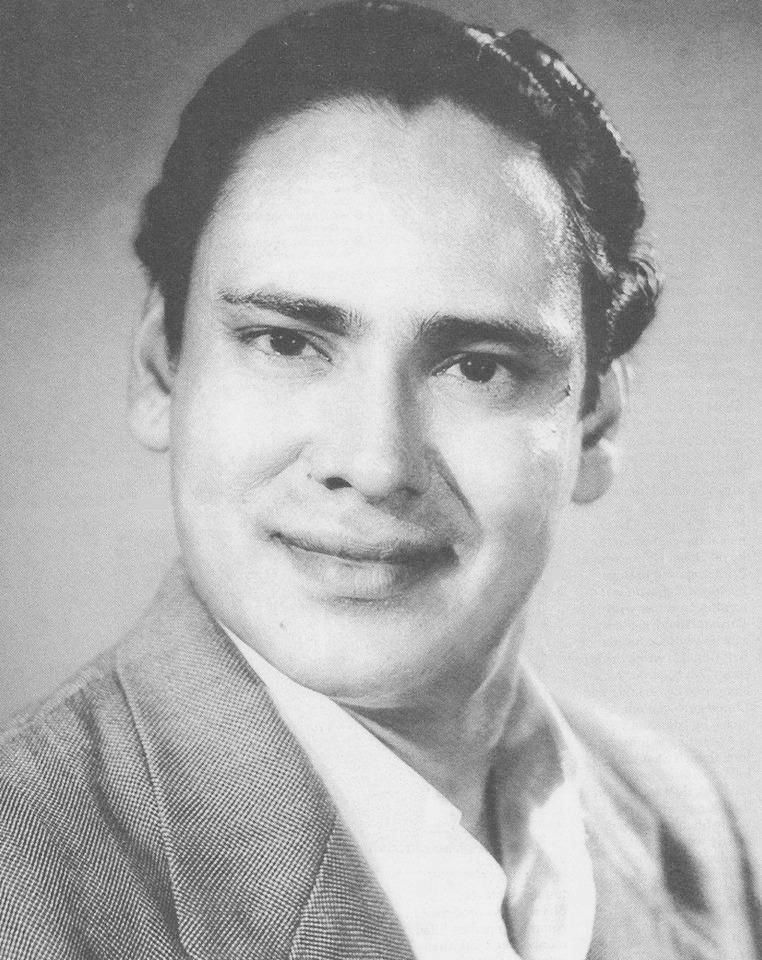
In the high noon of Indian cinema’s “Golden Age,” a period defined by sweeping melodies and deep-seated lyricism, one name stood as a pillar of the romantic imagination: *Hasrat Jaipuri*.
Born *Iqbal Hussain* on April 15, 1922, in the pink city of Jaipur, the poet who would eventually capture the heartbeat of a nation was shaped by the classical Persian and Urdu tutelage of his grandfather, Fida Husain ‘Fida’.
Today, as we reflect on his legacy, Jaipuri remains the quintessential “Aashiqaana” poet—a man whose verses bridged the gap between the sophisticated *mushaira* and the common man’s radio.
From the Streets of Bombay to the RK Banner
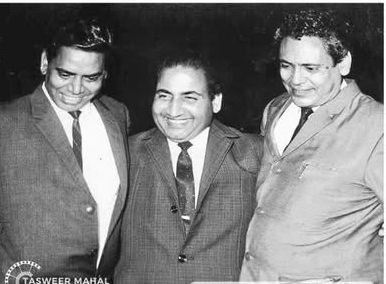
The journey of Hasrat Jaipuri is the stuff of cinematic legend. Arriving in Bombay in 1940, he spent eight years earning a living as a bus conductor, all while honing his craft in the city’s poetic circles. It was his resonant voice at a symposium that caught the ear of *Prithviraj Kapoor*, who recommended the young talent to his son, *Raj Kapoor*.
This meeting birthed the most formidable creative alliance in Bollywood history: the “RK Dream Team.” Alongside composer duo *Shankar-Jaikishan* and fellow lyricist *Shailendra*, Jaipuri crafted the sonic identity of post-independence India. His debut in *Barsaat* (1949) with “Jiya Beqaraar Hai” was just the beginning of a decades-long reign that solidified the aesthetics of the silver screen.
A Tapestry of Musical Masterpieces
Jaipuri’s brilliance lay in his chameleonic ability to traverse the entire landscape of human feeling. His catalog is a collection of masterpieces that defined genres: from the playful curiosity of *Shree 420*’s “Ichak Dana Beechak Dana” to the haunting, philosophical inquiry of “Duniya Bananewale” in *Teesri Kasam*. He mastered the art of the “courting song” with the rhythmic “Dil Ka Bhanwar Kare Pukar” and elevated the “club song” to an art form with the infectious energy of “Aao Twist Karen.” His pen could evoke the sacred trust of a lover in “Ehsaan Tera Hoga Mujh Par” or the dignified heartbreak of “O Janewale Mudke Zara Dekh Ke Jaana,” ensuring that for every stage of love—from the first flirtatious glance to the finality of death—there was a Hasrat Jaipuri lyric to give it wings.
These songs were not merely background scores; they were narrative engines. Whether it was the flamboyant “Badan Pe Sitare Lapete Hue” that personified the charisma of Shammi Kapoor, or the soul-crushing “Jaane Kahan Gaye Woh Din” that became the definitive anthem for nostalgia in *Mera Naam Joker*, Jaipuri’s verses possessed a unique resonance. He had the rare gift of distilling complex Urdu poetry into accessible Hindustani, making the sublime feel intimate for millions of listeners.
The Radha of His Dreams: Verses of Unspoken Love
One of the most poignant footnotes in Jaipuri’s career is the origin of the hit “Yeh Mera Prem Patra Padh Kar.” Long before it became a cinematic anthem in *Sangam* (1964), it was a real-life letter written to a neighbourhood girl named Radha. Though the poet never found the courage to deliver it, his silent yearning transcended personal heartbreak to become a universal expression of devotion, proving that his lyrics were always rooted in lived emotion.
A Legacy That Echoes Through Generations
Even after the original RK team transitioned in the 1970s, Jaipuri’s relevance endured. He returned to his artistic “home” years later to deliver the chartbuster “Sun Sahiba Sun” for *Ram Teri Ganga Maili*, proving that his lyrical sensibilities were timeless.
Awarded the *Filmfare Best Lyricist* trophy twice (for *Suraj* and *Andaz*), and having published his poetic compilation *Abshaar-e-Ghazal*, Jaipuri’s contribution to literature and cinema is immeasurable. When he passed away on September 17, 1999, the industry lost a giant, but the air remained thick with his melodies. Hasrat Jaipuri once wrote, *”Tum mujhe yun bhula na paaoge”* (You will not be able to forget me).
Decades later, as his songs continue to be hummed by new generations, it is clear he was not just writing a lyric—he was making a promise that history has kept.
Picture credit social media

~Hasnain Naqvi is a former member of the history faculty at St. Xavier’s College, Mumbai….
The opinions expressed here are solely those of the author.

