

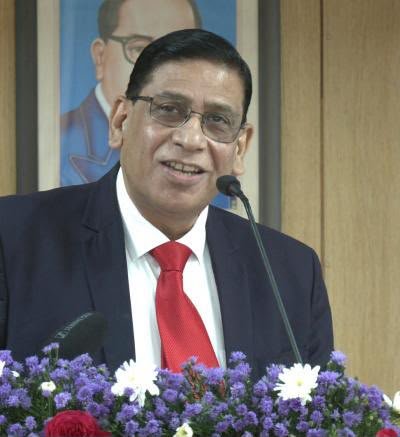
In a recent commentary for The Indian Express, Professor Faizan Mustafa parses RSS chief Mohan Bhagwat’s international addresses on diversity and the historical contributions of Muslims to discern an internal evolution—a quiet perestroika radiating from the highest echelons of Hindutva. He urges the public, and especially the legal fraternity, to treat these assurances as building blocks toward constitutional fraternity. Yet this persistent faith in top-down moderation exposes a deep, almost tragic, analytical blindness to how majoritarian movements operate in practice.
The Gap Between Diplomacy and Domestic Reality
The fundamental flaw in Mustafa’s argument lies in isolating carefully curated speeches from structural realities on the ground. For decades, foreign audiences and elite intellectual circles have been offered a universalist vocabulary emphasising assimilation, historical synergy, and cultural synthesis. But a constitutional scholar should know that the character of an ideology is not measured by its diplomatic overtures abroad, but by its institutional footprint at home.
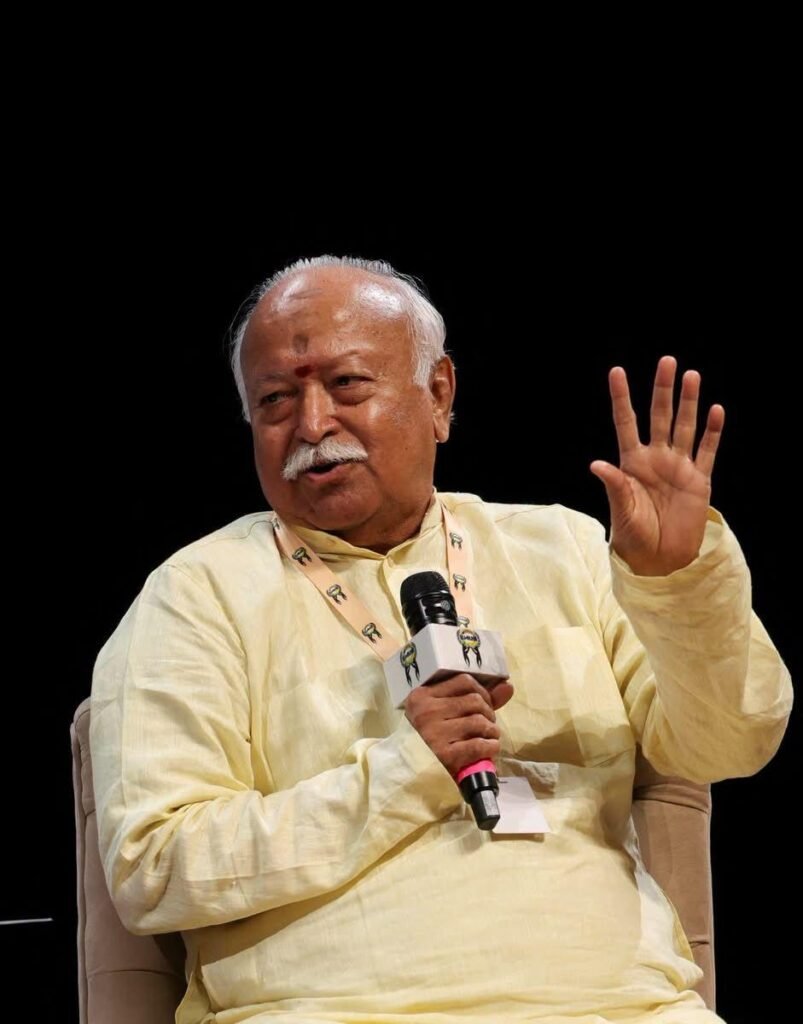
While the high table speaks of an all-encompassing umbrella, the state machinery below relentlessly reshapes municipal laws, alters school curricula, weaponises property regulations, and sharpens the legal tools of exclusion. To celebrate the former while ignoring the latter is not strategic engagement; it is intellectual capitulation.
Tactical Elasticity, Not Ideological Rupture
Framing these occasional rhetorical shifts as a sudden internal transformation misreads ideological continuity. There is no fundamental rupture between the foundational texts of the majoritarian movement and its contemporary posture. The core thesis—that all inhabitants of the subcontinent must submit to a singular cultural identity defined by the majority—remains intact.
What Mustafa mistakes for an internal perestroika is merely tactical elasticity. Shifting vocabularies is a classic strategy of preservation: it lowers the defensive walls of liberal institutions, only to advance the core project once pushback subsides.
The Burden Shifted to the Vulnerable
By continually interpreting elite intent, Mustafa unintentionally serves the very forces he seeks to scrutinise, granting a veneer of constitutional legitimacy to an extra-constitutional agenda. When a prominent legal scholar advises marginalised communities to take comfort in a leader’s assurances, he shifts the burden of adaptation onto the vulnerable.
The implicit instruction is clear: rather than demanding rigid adherence to codified rights, minority communities should practice maslehat—a pragmatic submission to the shifting moods of majoritarian power.
Constitutional Vigilance Over Hopeful Interpretation
A constitutional democracy cannot be sustained by decoding the esoteric declarations of individual leaders. It relies on the uncompromising enforcement of institutional checks, civil liberties, and equal citizenship. Substituting constitutional vigilance with the hope of an internal majoritarian reformation is a dangerous gamble.
Professor Mustafa’s optimism may comfort commentators eager to believe that deep structural crises can be dissolved through polite dialogue. But for those navigating the daily reality of majoritarian consolidation, a change in vocabulary is a poor substitute for actual justice.

~Hasnain Naqvi is a former member of the history faculty at St. Xavier’s College, Mumbai….
The opinions expressed here are solely those of the author.